
A game about choices and consequences.
- Project Type:
- Academic
- My Role:
- Developer
- Team:
- Rafael Ramos
- Project Timeline:
- 2 Weeks
- Project Stack:
- Godot, Github
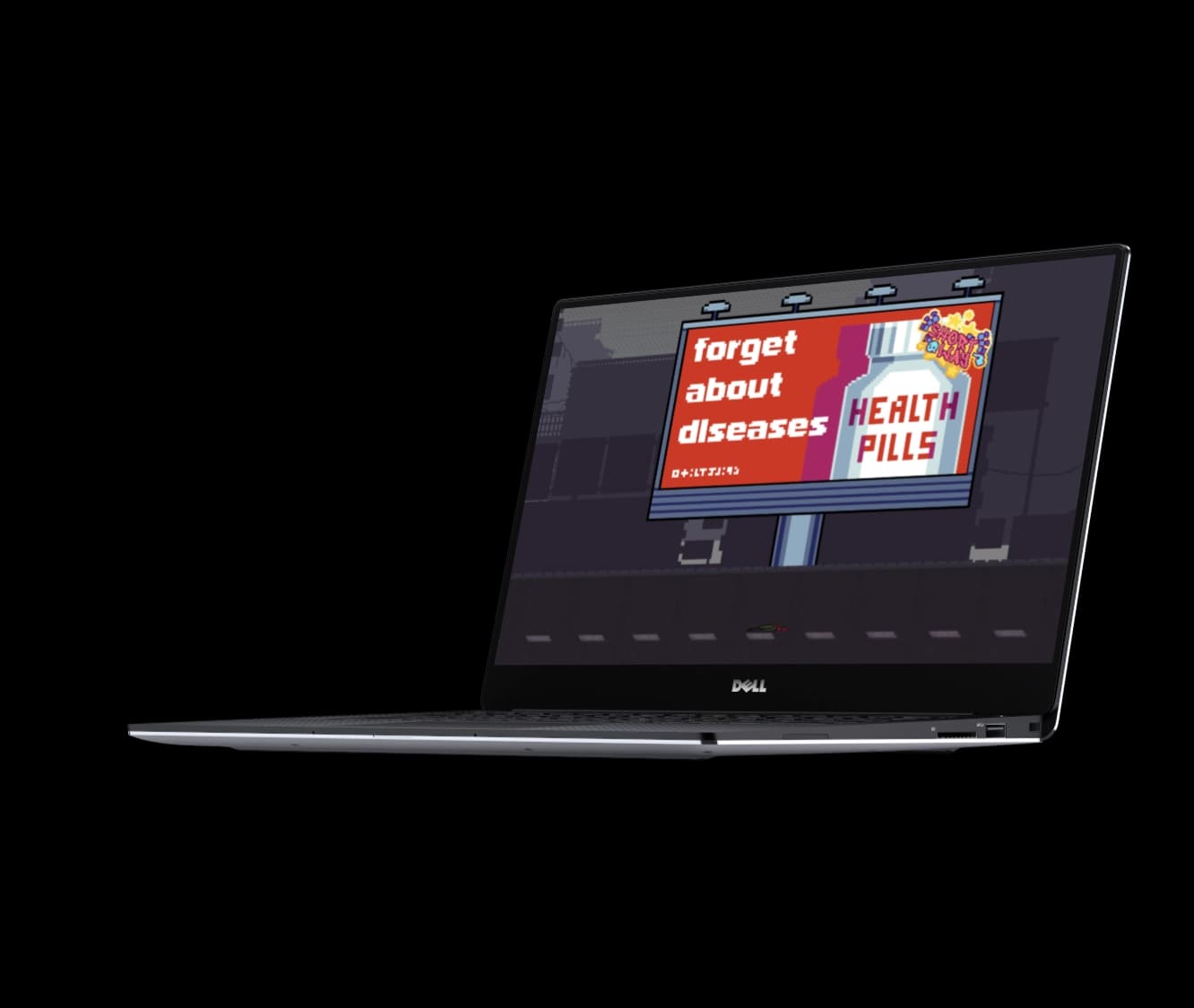
HEALTH PILLS
Health Pills is a short narrative game developed as the final project for a Computer Graphics course. Designed as an anti-drug awareness experience, the project follows a simple walk simulator format where the player's choices gradually impact both the environment and the character's condition, ultimately shaping the outcome of the story. While the original assignment focused on creating an animation, the project evolved into an interactive experience that combined storytelling, environmental design, music, and basic game development to communicate its message in a more engaging way.
Context
Health Pills started with what I can only describe as an ambitious assignment.
For most of the semester, our Computer Graphics class focused on learning fundamental concepts through Python plotting points, moving objects across a screen, drawing basic shapes, and understanding how graphics work programmatically. Then, for the final project, our professor essentially said: “Now create an anti-drug animation.”
To this day, I'm still not entirely sure how we got from moving a point across a coordinate plane to producing a complete narrative experience in two weeks.
As expected, the classroom immediately descended into chaos. While everyone was trying to figure out how to approach the assignment, I started looking for alternatives. My logic was simple: if I was already confused, I might as well be confused while making something fun.
So instead of creating a traditional animation, I decided to build a small game.
Challenge
The biggest challenge was that I had absolutely no idea how to make a game.
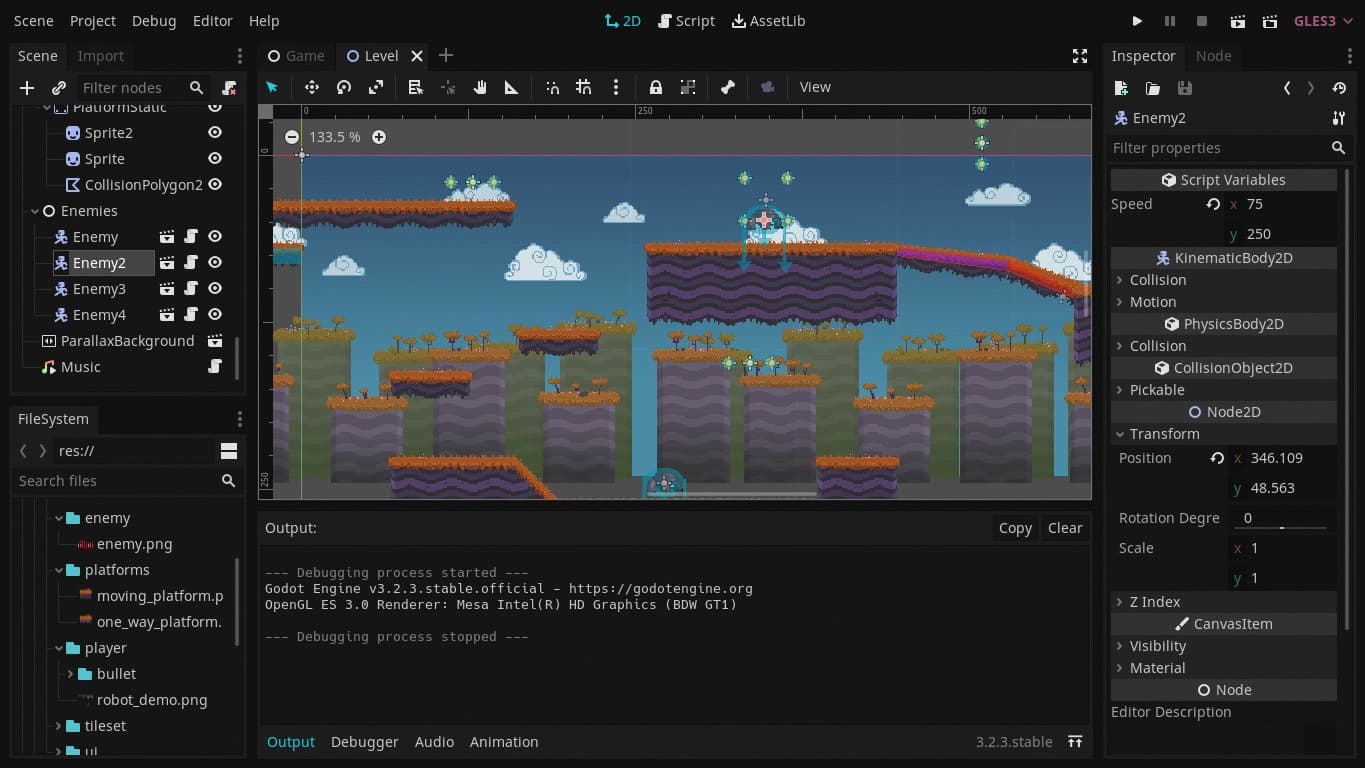
At the time, my experience was mostly limited to programming fundamentals and academic projects. Suddenly, I found myself learning Godot from scratch, figuring out how game engines work, searching for assets, integrating audio, building environments, managing files through GitHub, and somehow turning all of those pieces into a coherent experience before the deadline arrived.
Every day felt like discovering three new problems and creating five more. The project became a constant cycle of YouTube tutorials, documentation, trial and error, and asking myself questions such as: “Why is the player flying?” or “Why did everything disappear when I moved this node?”
Looking back, the challenge was less about creating an anti-drug game and more about proving to myself that I could learn an entirely new toolset under pressure and still deliver something meaningful.
Final Deliverance
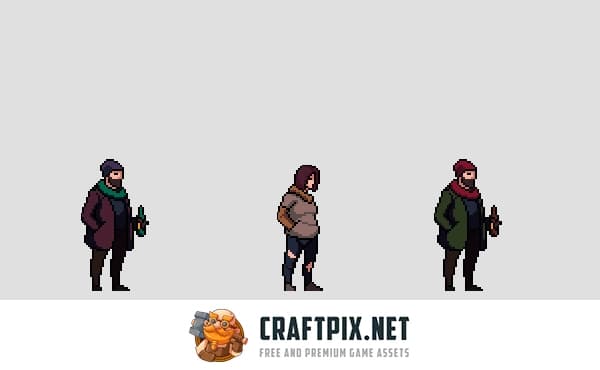
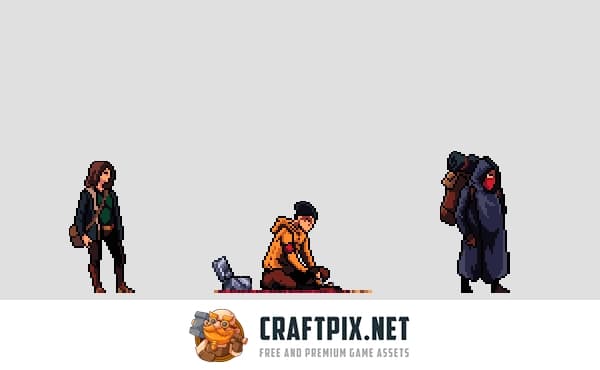
Rather than presenting information through a traditional animation, the experience allowed players to actively participate in the story. As the character moved through the world, their appearance, surroundings, and overall condition gradually changed based on the narrative being presented. The project combined visual storytelling, music, environmental design, and simple gameplay mechanics to communicate its message in a more engaging way than a linear video could.
From a technical perspective, the project required learning and implementing an entirely new toolset within a very short timeframe. This included working with Godot, integrating third-party assets, managing the project through GitHub, implementing character movement and scene transitions, and coordinating visual and audio elements into a cohesive experience.
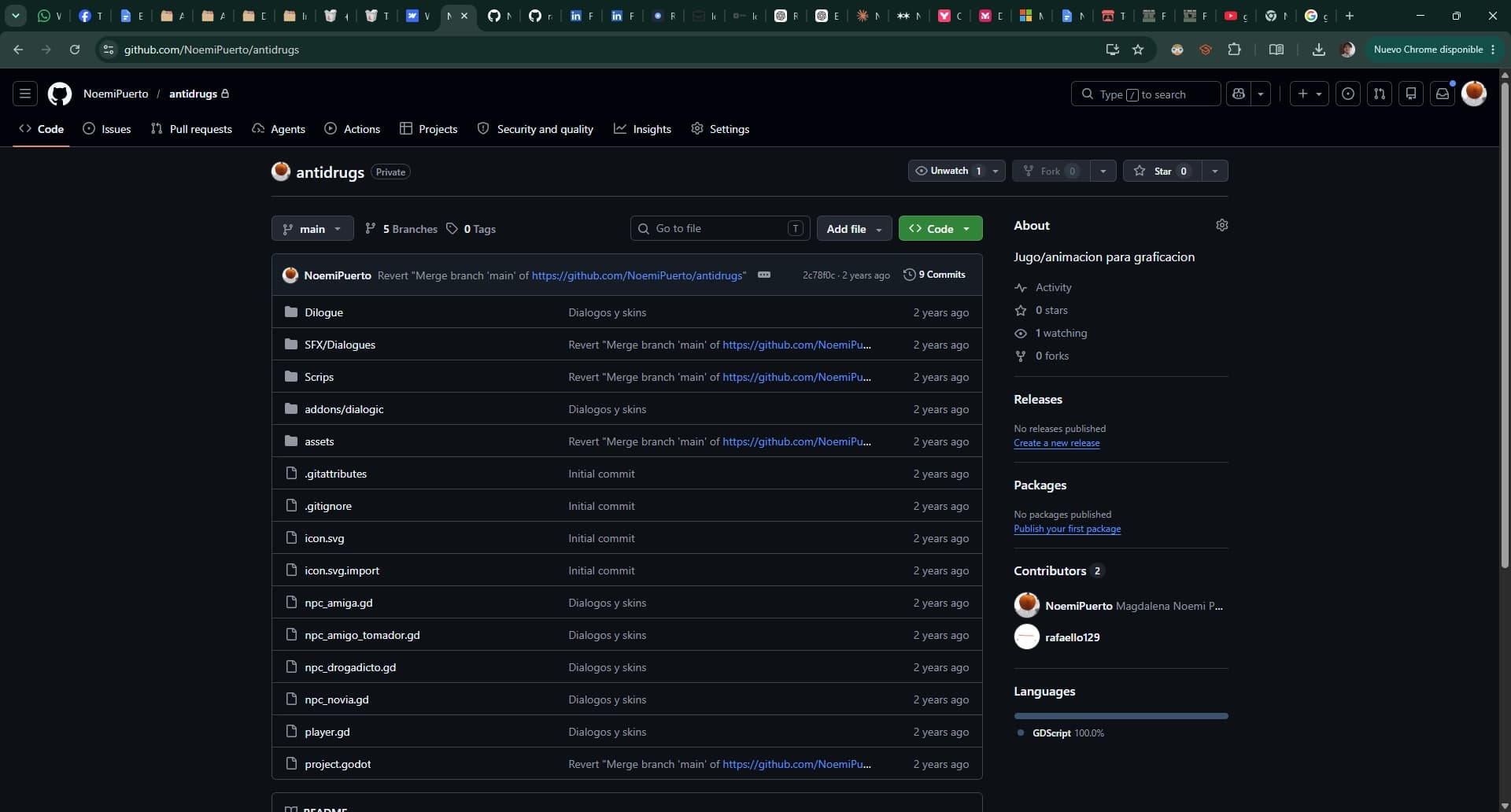
Most importantly, the game worked.
The project was successfully presented as the final submission for the course, received a positive reaction from both classmates and faculty, and proved that when faced with an already difficult assignment, my first instinct is apparently to make it even more difficult.
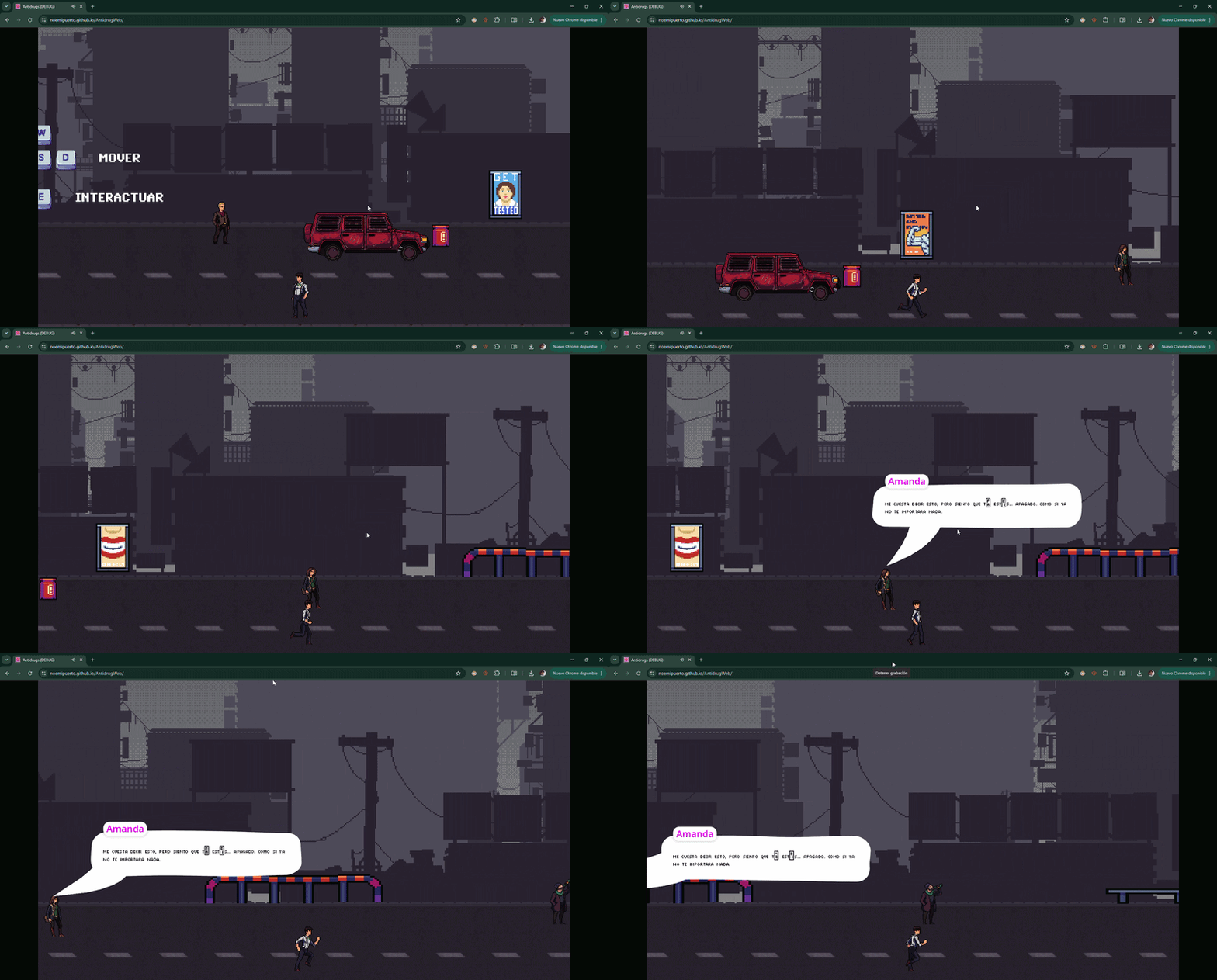
Somehow, it worked.
But then again, around here we like making the impossible possible. 😉
Reflection
Special thanks to my professor for assigning an anti-drug animation, to my past self for responding with “what if I made a video game instead?”, and to my cat for surviving the entire process alongside me.
I'd also like to formally apologize to Rafa, whose GitHub branch I accidentally deleted, forcing him to rebuild the entire parallax system from scratch. If you're reading this: I'm still sorry.
This project taught me Godot, GitHub, game design, and most importantly, that my natural response to a difficult problem is apparently making it harder.
Would accidentally destroy a repository again? No.
Would make another game? Absolutely.
Thanks for taking the time :D